Progression that feels earned
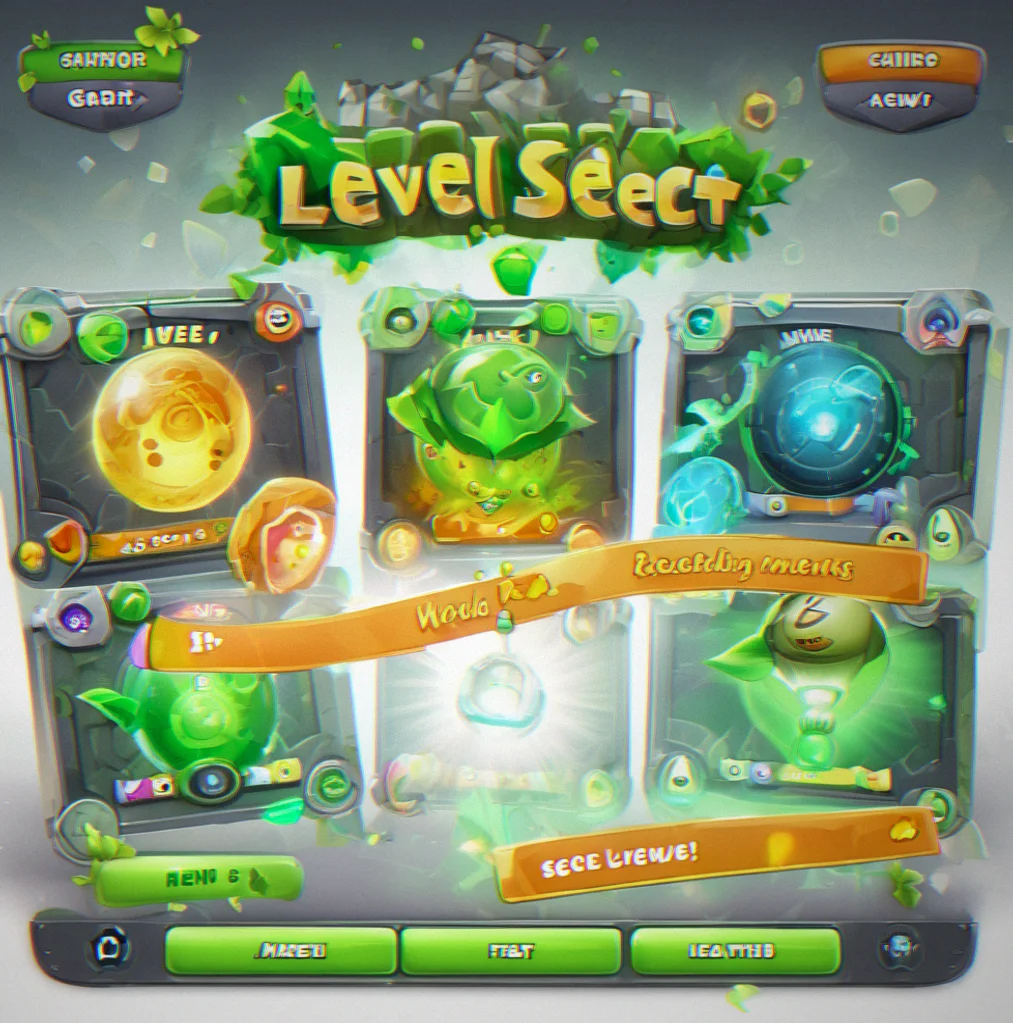
Each world has 20 to 25 levels. Finish one and the next opens up. No grinding. No artificial pauses. Just moving forward at a natural pace. Beat level 47, you're on to level 48.
Puzzles made for your downtime
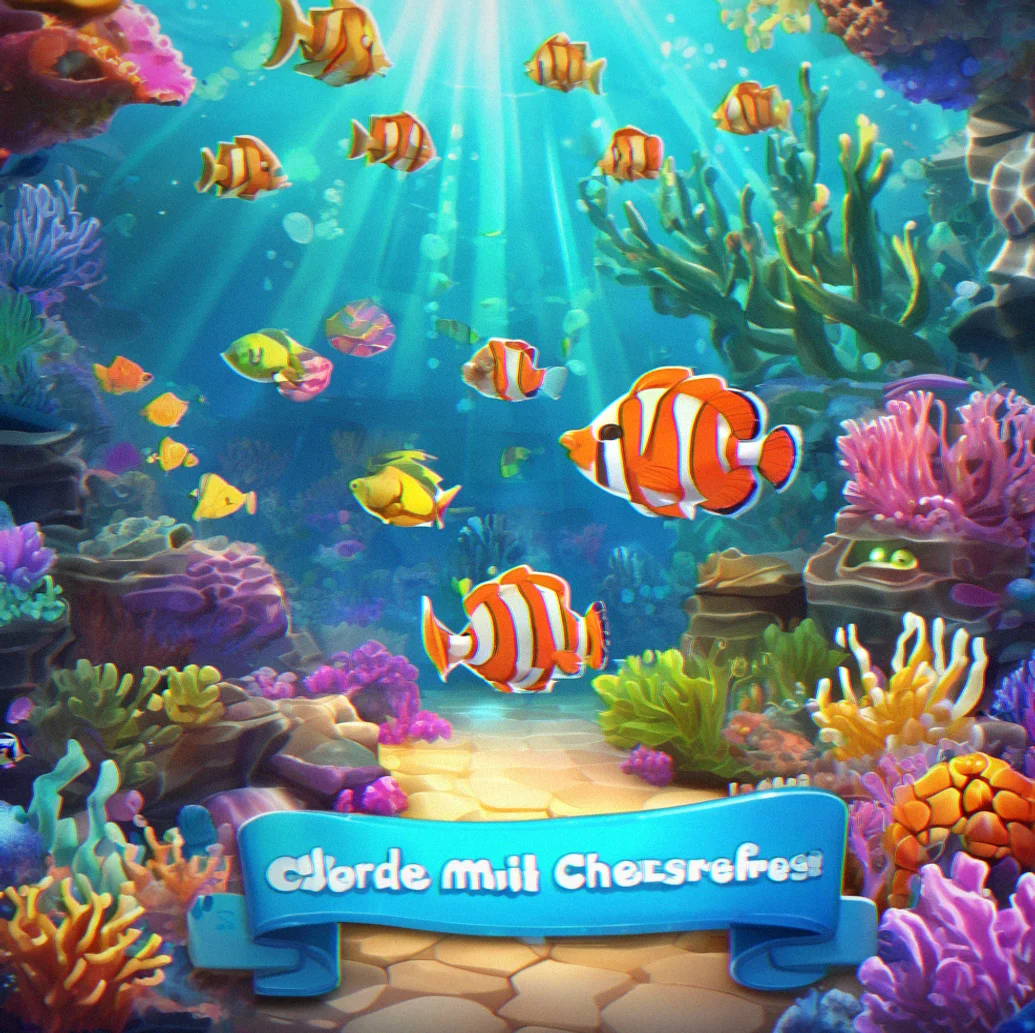
Opencorner fits into those pockets of time scattered through your day—a quick session on the train, a puzzle or two over lunch, something to wind down with before sleep. We've built over 100 different levels, each one living in its own themed space with a completely different feel and approach. You might match patterns in the Coral Reef, slide tiles around the Candy Forest, or group colors in the Crystal Caverns. The whole thing just flows because it's designed to. There's no sudden difficulty spike. No battle pass reminding you to check back in 8 hours. Just open it up, work through something satisfying, and step away whenever you feel like it.
Each one is designed. Not randomized. Not duplicated. Level 15 teaches you something new. Level 50 catches you off guard. By the time you reach level 100, you're tackling puzzles that actually require you to think, and it feels like an achievement because you earned it.
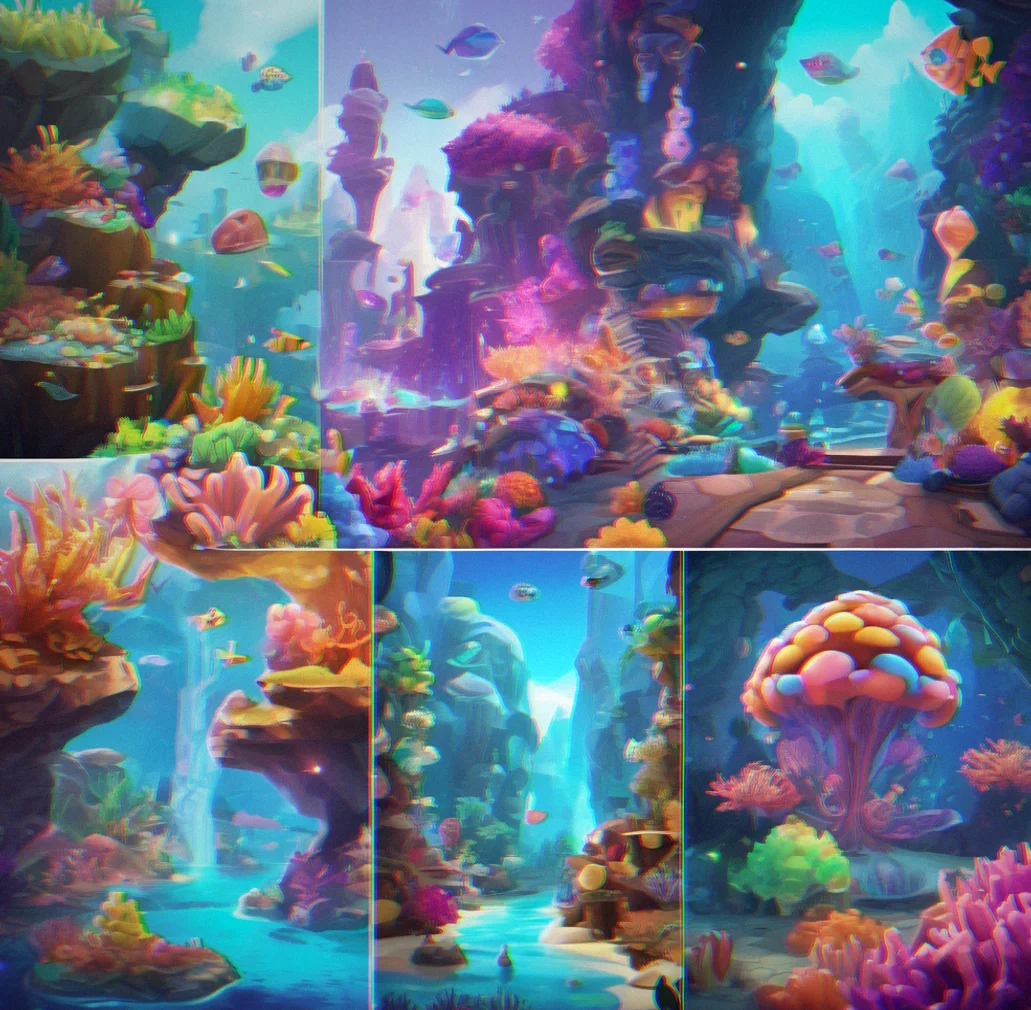
Coral Reef uses pattern-matching. Candy Forest has you sliding tiles around. Crystal Caverns groups colors together. Every world looks unique. Every world plays differently too. You unlock them as you progress. There's actual discovery in it.
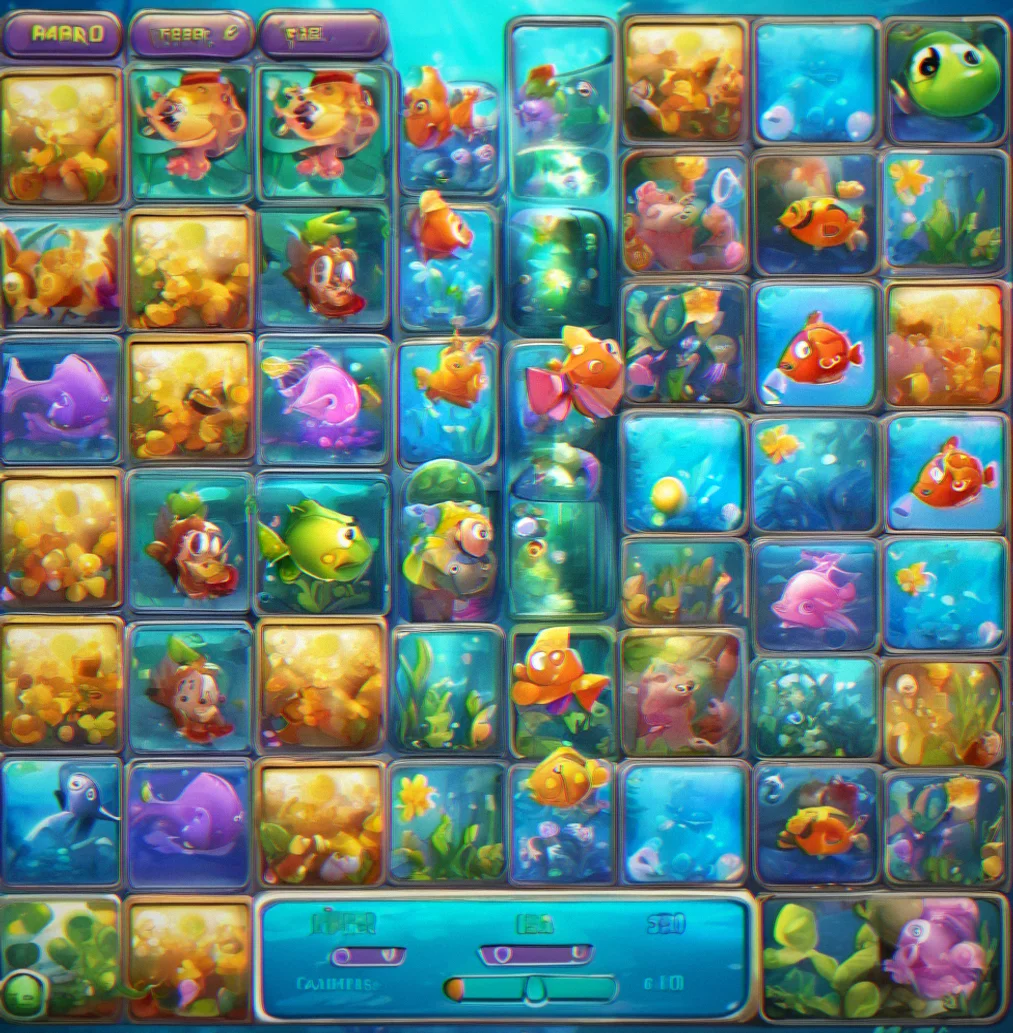
Play a couple levels or play thirty. Close it whenever you want. No countdown timer. No "come back in 8 hours for more lives." Just open it, solve some puzzles, move on.
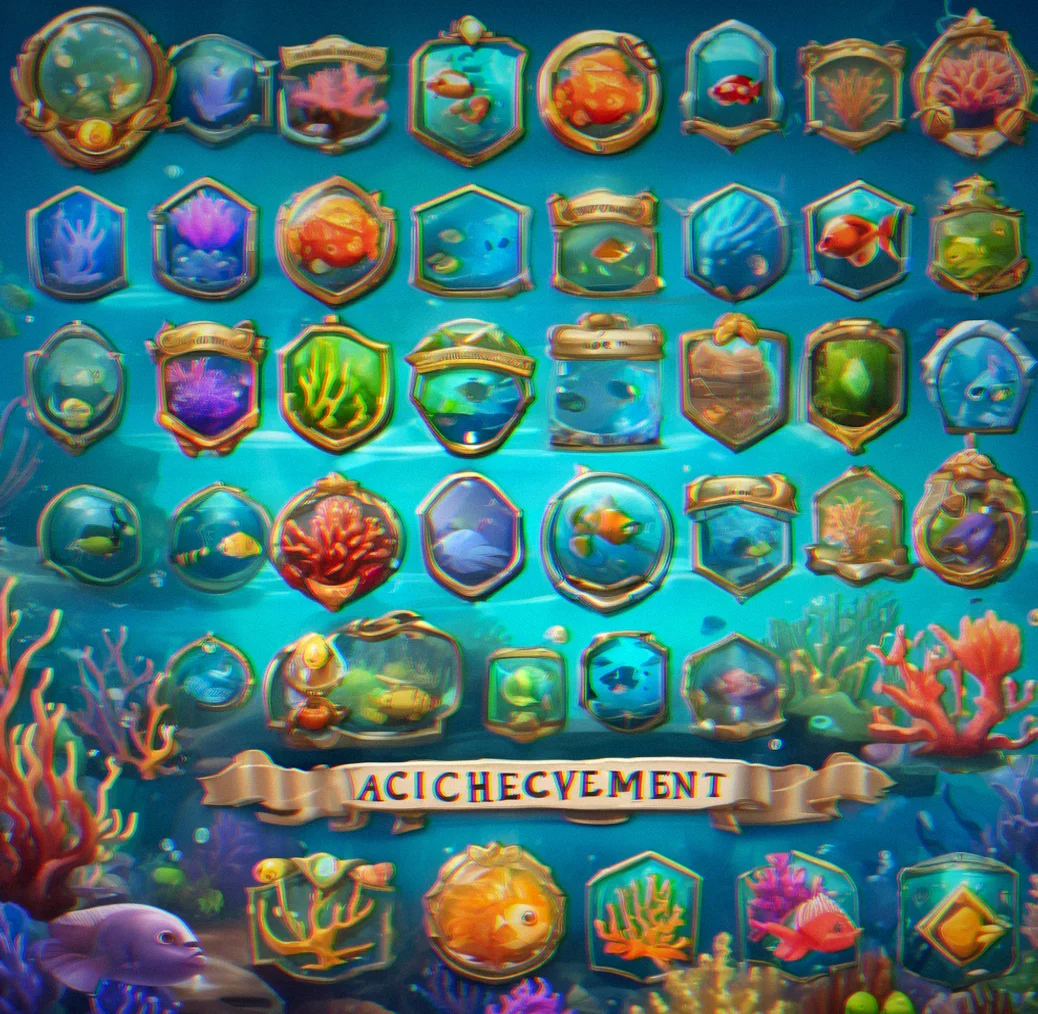
Log in the next day and get a small bonus. Miss one? Nothing happens to you. Badges show up for hitting milestones. Some people obsess over collecting them. Others don't care. Either way works. It's optional.
You won't smash into a wall at level 42. The beginning gives you quick wins. Middle part introduces one new mechanic at a time. Later on, puzzles mix everything together. It's properly paced instead of feeling random.
Cosmetics and an ad-free pass are there if you want to support us. Spending nothnig or ten bucks plays the same. The puzzles don't change. Your progress doesn't reset. Money doesn't affect how the game actually works.
Quick sessions. No stress. You're always moving forward.
Knock out a few levels on the bus. Solve three or four during a lunch break. Then you're out. Every level stands alone—no hanging threads, no feeling like you need to push through just one more. The cool part is how it all adds up. You've got over a hundred levels to work through, so progress feels real instead of gated behind some arbitrary wall.
Coral Reef, Candy Forest, Crystal Caverns—they're not just pretty backdrops. Every themed area teaches you mechanics you've never dealt with before. As you advance, new worlds open up. That feeling when a puzzle Suddenly makes sense? That's why people keep playing. Not because they feel obligated. Because they're genuinely curious what comes next.
No leaderboards. No racing against friends. No score comparisons eating up your headspace. If you want daily bonuses or badges to unlock, they're there—the kind of optional rewards that actually feel nice instead of making you feel bad for skipping a day.
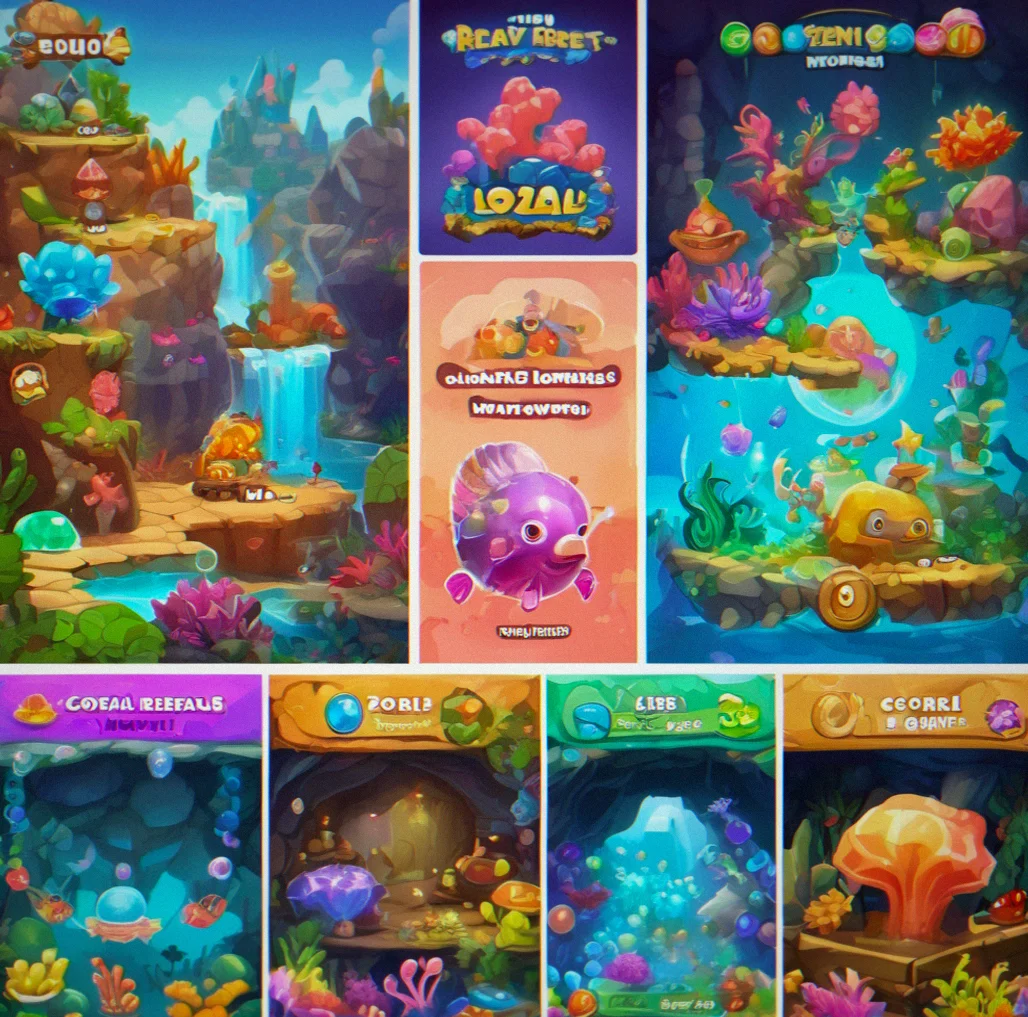
You start in Coral Reef where you're matching patterns while bioluminescent creatures swim around you. Move forward and you hit Candy Forest—tiles sliding everywhere in this bright, chaotic candy color explosion. Then there's Crystal Caverns, which uses color-grouping mechanics and these deep purples that just feel completely different from what came before. Every world has its own personality, its own puzzle type, its own difficulty ramp.
Most people get through somewhere between four and six levels if they sit down for a bit. That's roughly twentty minutes. There's no energy system draining away, so if you want to keep playing you can, or you can close it whenever and come back later. Works great for a train ride, a quick coffee break, or just decompressing before sleep without that nagging feeling you're up way too late.
Early levels teach you the rules. Mid-game introduces new mechanics one at a time so you're never confused. Later puzzles layer everything together. You won't hit a sudden wall at level 42 where suddenly the game becomes impossible—it's actually paced.
Come back tomorrow and you get a little bonus. Skip a few days? Nothing bad happens. Badges show up as you hit milestones—some people chase them obsessively, others don't care at all. It's built in if you want that motivation, but it's not going to make you feel terrible for taking a break.
These aren't randomly generated. Every single level was built by someone, tested, broken, fixed. That feeling when a puzzle suddenly clicks? That's not chance. That's craft. Solving one actually feels good instead of just lucky.
You can buy cosmetic skins if you want them. There's an ad-free pass. But the actual puzzles play exactly the same whether you've spent nothing or dropped ten bucks. Difficulty doesn't shift. Progress doesn't lock behind a paywall. Money just doesn't change how the game functions.
Five things that matter when you're playing during a lunch break.
Each world has 20 to 25 levels. Finish one and the next opens up. No grinding. No artificial pauses. Just moving forward at a natural pace. Beat level 47, you're on to level 48.
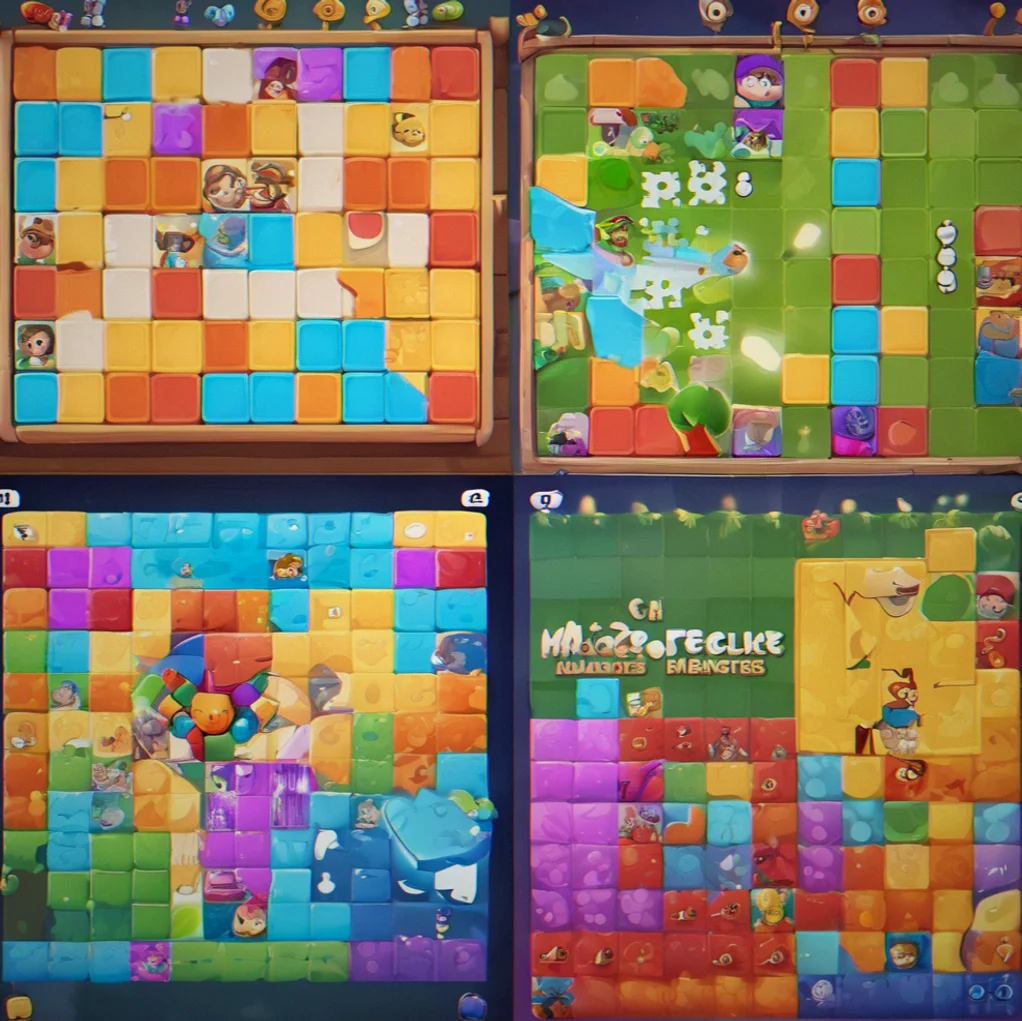
One mechanic for a hundred levels gets old fast. Coral Reef is all about pattern-matching. Candy Forest has you sliding tiles around. Crystal Caverns groups colors together. They each feel different, and each one teaches your brain something new.
You can feel when a puzzle was actually designed. When the answer is sitting there waiting for you instead of luck deciding if you win. That's the whole point. Every level got built, played through, tweaked, and then released.
Come back tomorrow and get a small reward. Skip a week? Nothing bad happens. No shame, no angry notifications. Achievement badges are there if you care about them—some people screenshot them, most just ignore the badge menu entirely. Either way is fine.
Want to play 20 levels back-to-back? Go ahead. Cosmetics are optional. An ad-free pass exists if you want it. But the actual game stays the same—same puzzle difficulty, same unlock speed, whether you pay nothing or twenty bucks. Spending money doesn't change how the game works.
Most puzzle games hit a wall around level 42 and you're done. Opencorner doesn't do that. We built over 100 levels with a real difficulty curve. Early ones teach you what to do. Middle section adds one new thing at a time. Later puzzles mix everything together and actually get hard. Each world—Coral Reef, Candy Forest, Crystal Caverns, and others—looks different and plays different. One world has pattern-matching. Another is tile-sliding. The next one groups colors. You're not repeating the same puzzle over and over. New mechanics show up as you go. That's what keeps people coming back. Not because they have to. Because they want to see what the next world looks like and whether they can beat the next puzzle.
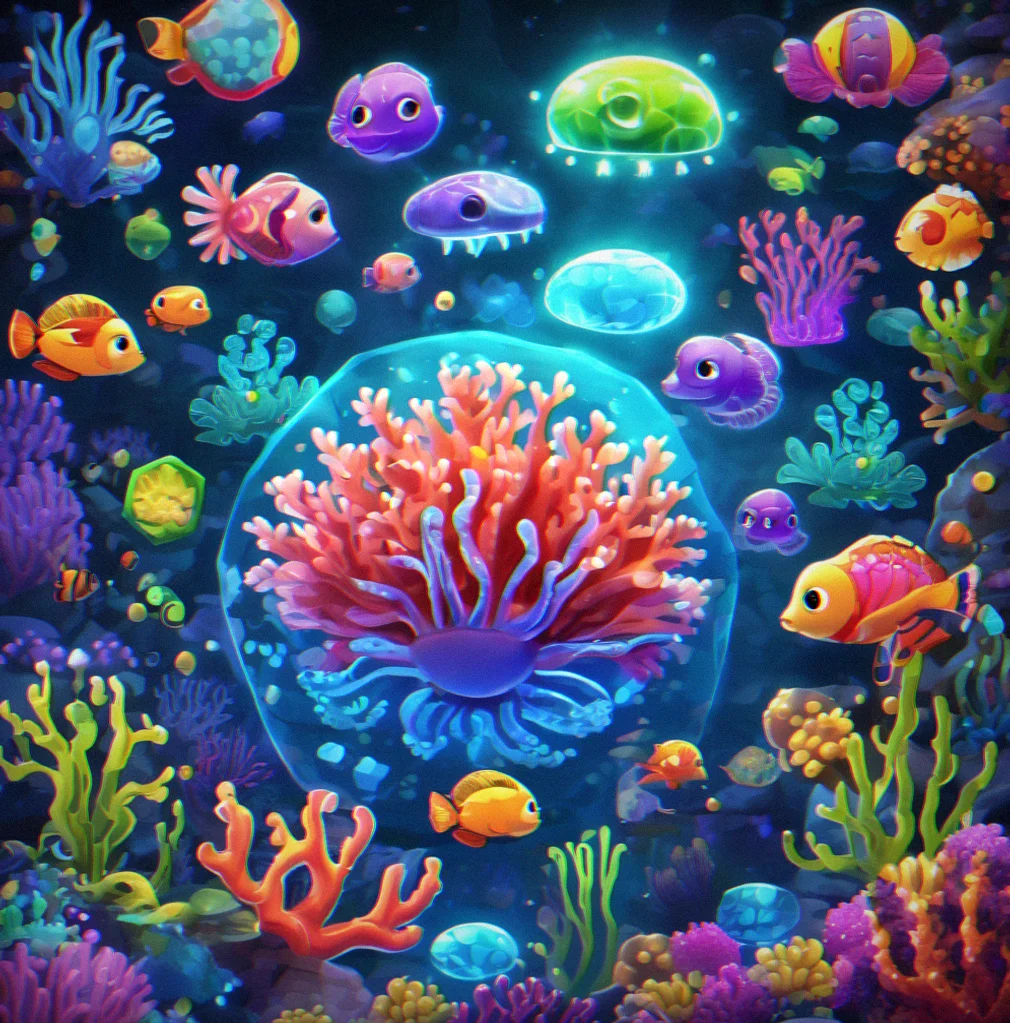
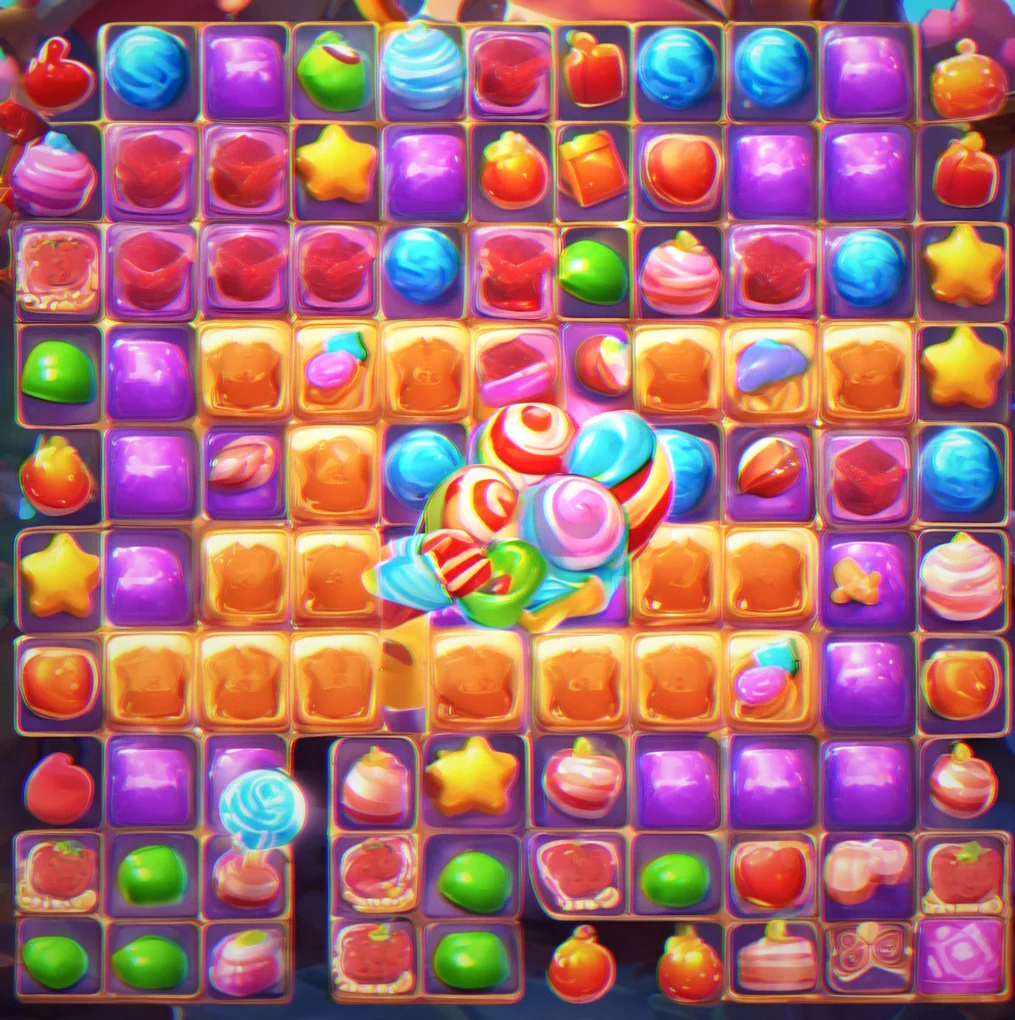
You get five different puzzle mechanics spread across four themed worlds, so you're never really doing the same puzzle twice. In Coral Reef, pattern-matching teaches your brain to spot color sequences. Then you move into Candy Forest where tiles slide completely differently — now you're thinking about where things are on the board instead of what color they are. Crystal Caverns adds a third thing entirely: grouping by color. By level 50, you've picked up around five different ways to approach a puzzle. The game doesn't wipe you out or force you to start fresh. Each world builds on what you've already learned, which is why the difficulty ramp feels fair instead of brutal. Players regularly reach triple digits without getting stuck — there's always another world waiting, another mechanic you haven't seen yet. And that's why people keep playing. It's not because the game pesters you with notifications or locks you out with energy timers. It's the puzzle design itself that keeps shifting, keeps catching you off guard. Your brain stays hooked because there's always something new to figure out.
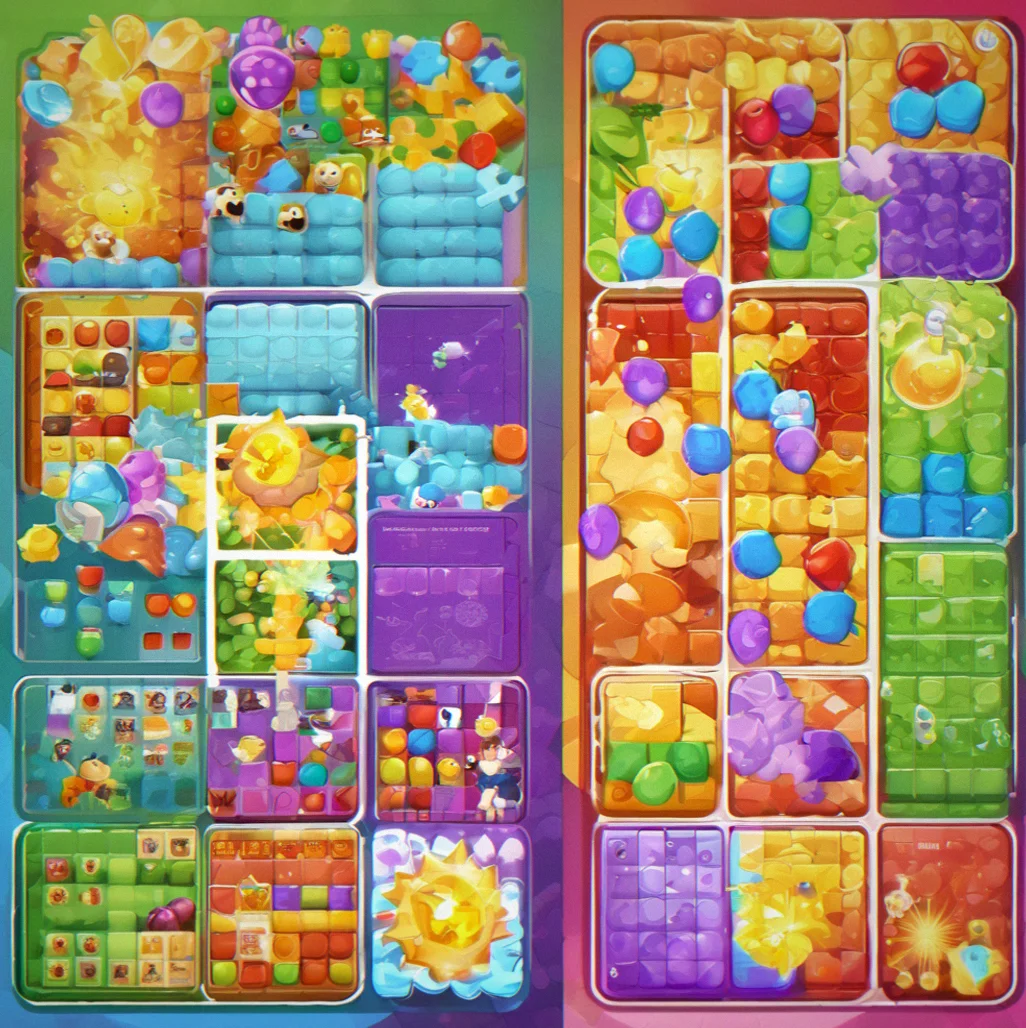
Opencorner works differently than most puzzle games. Here's what that actually means for you.